How to Create Brand Experiences That Customers Want to Spend Time In
For years, brands focused on one primary goal: getting customers to buy.
Today, the more relevant question is:Why would someone choose to spend time with you?
Because in a world of endless choice, time—not money—is the real indicator of value.
The most effective brands aren’t just selling products. They’re designing environments, moments, and experiences people actively opt into. Spaces where customers don’t feel like an audience—but like participants.
So how do you create a brand experience people actually want to spend time in?
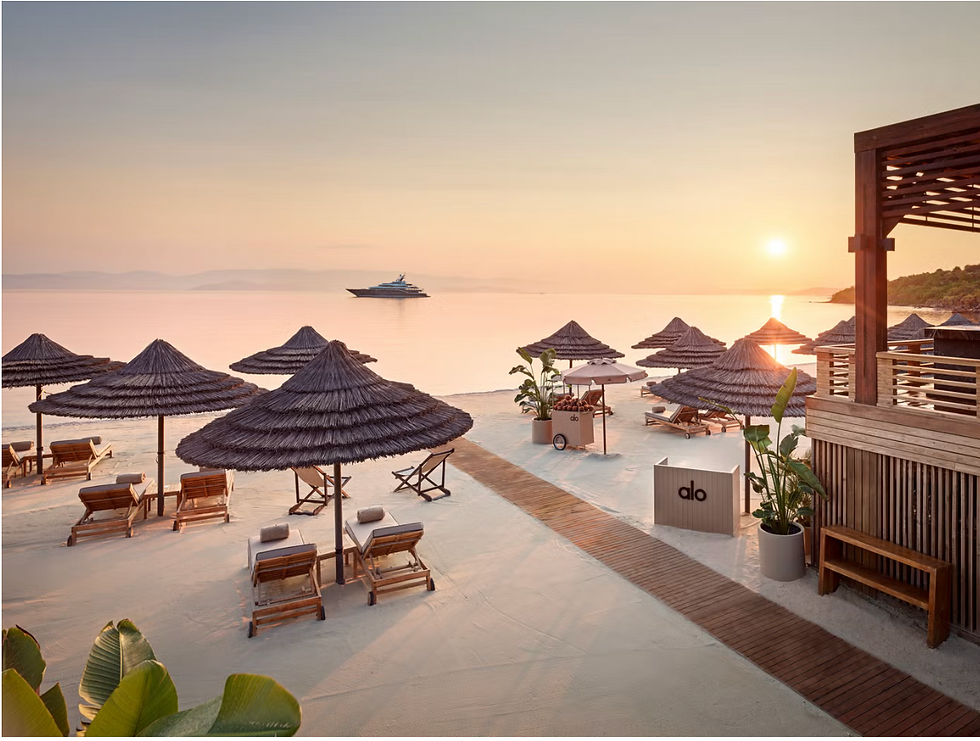
1. Design for Presence, Not Just Attention
Attention can be fleeting. Presence is intentional.
Experiences that work are the ones that invite people to slow down, engage, and immerse themselves. This means thinking beyond visuals and into atmosphere—sound, pacing, interaction, and flow.
Ask yourself: Would someone stay here longer than they planned to?
If the answer is no, it’s likely designed for exposure—not experience.
2. Build Environments, Not Activations
One-off activations can create spikes. Environments create habits.
The shift we’re seeing across luxury, hospitality, and culture is toward spaces that feel continuous—cafés, lounges, private clubs, curated events, and cultural programming.
These aren’t campaigns. They’re ecosystems.
When done well, they become part of someone’s routine, not just their feed.
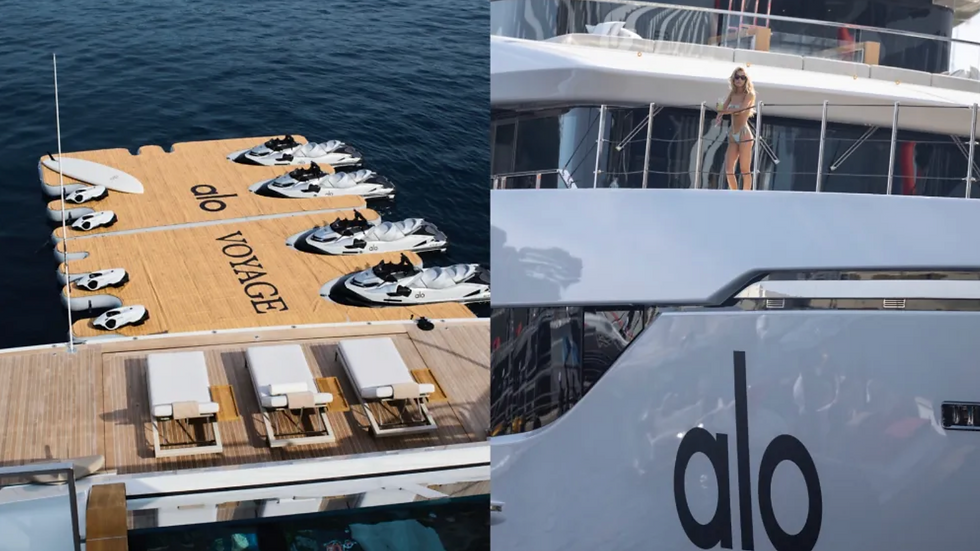
3. Give People a Role in the Experience
The best experiences aren’t watched—they’re lived.
Participation is what transforms something from memorable to meaningful. Whether it’s customization, interaction, or co-creation, people should feel like they are in the experience, not just observing it.
If your audience can’t influence the moment, they won’t feel connected to it.
4. Make It Worth Sharing (Without Asking)
The most powerful marketing today is voluntary.
People share experiences that signal something about who they are—taste, access, identity, belonging. This means your experience needs to be naturally photogenic, but more importantly, emotionally resonant.
Don’t design for content. Design for moments people want to capture.

5. Anchor the Experience in Emotion, Not Just Aesthetic
A beautiful space might attract attention. Emotion creates attachment.
Whether it’s a sense of exclusivity, nostalgia, discovery, or connection, the experience should make people feel something distinct. That emotional imprint is what brings them back—and what they associate with your brand long after they leave.
6. Think Like a Host, Not a Brand
This is where many brands get it wrong.
Hosting requires a different mindset than selling. It’s about anticipation, care, pacing, and understanding what your audience needs before they ask for it.
The question shifts from “What are we promoting?” to “How do people feel when they’re with us?”
That’s where loyalty is built.
At The Goods BMC, we believe the future of brand building sits at the intersection of experience, hospitality, and culture.
Because the brands that win won’t just be the ones people recognize.
They’ll be the ones people choose to spend time with.
And in today’s landscape, that choice is everything.


